Should Patio Lights Be Warm White or Cool White?
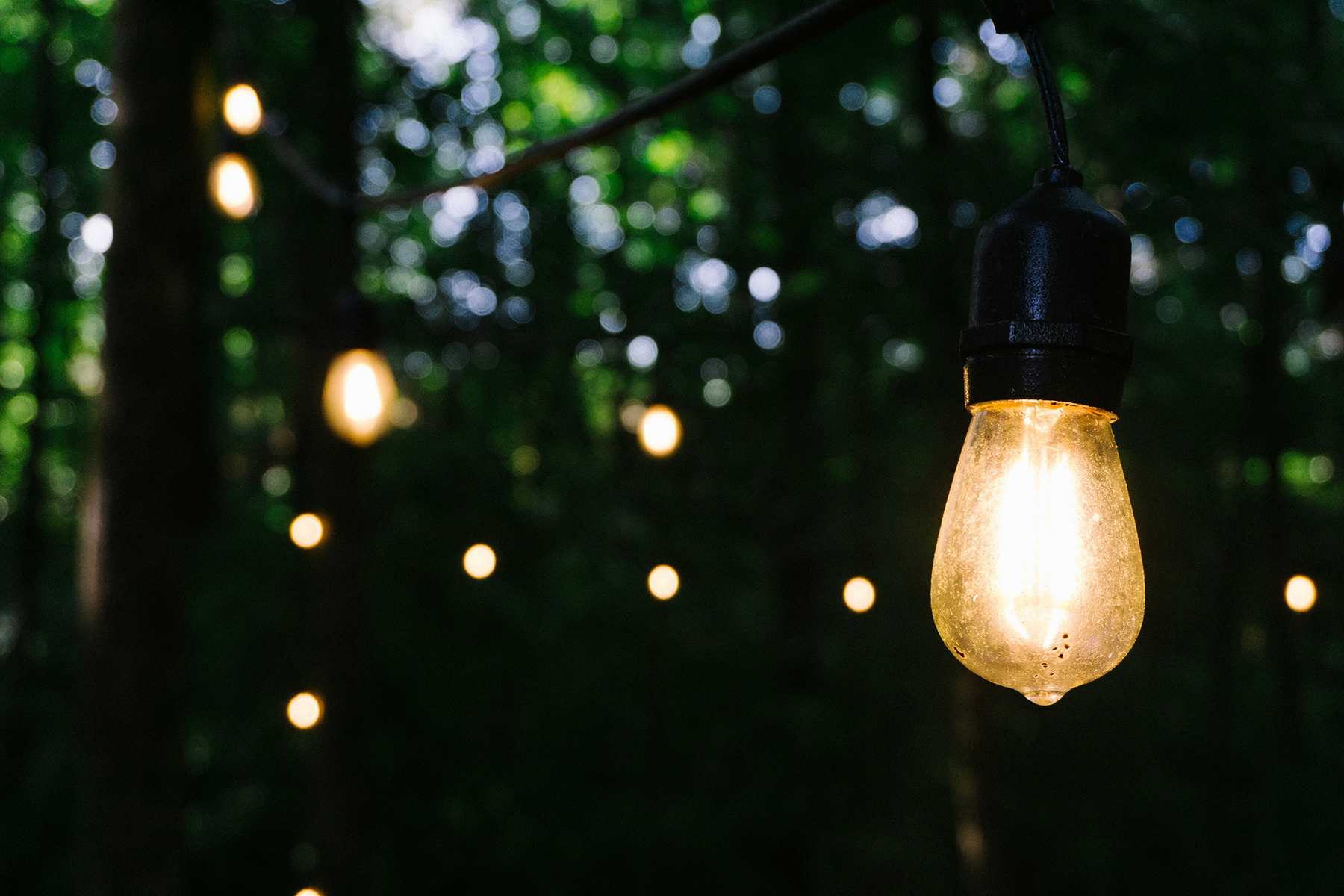
For most patios, porches and outdoor dining areas, warm white is the better fit. It feels relaxed, flatters skin, food and natural materials, and matches the glow of classic bistro bulbs. Cool white is better suited to task areas like a grill station or work space, and programmable color lighting lets you change the mood for events.
What warm and cool white mean
White light is described by color temperature, measured in kelvin. Lower numbers, roughly around 2200K to 2700K, give a warm, golden glow similar to candlelight or an old incandescent bulb. Around 3000K is a soft, neutral warm white. Higher numbers such as 4000K and up look cool, crisp and slightly blue, more like a store or office.
Outdoors at night, the difference is easy to feel. Warm light makes a space feel like somewhere to linger. Cool light makes it feel like somewhere to get something done.
Color temperature is only part of the story. Two warm white bulbs at the same kelvin can still look different if one is much brighter or has a bare, glaring filament. That is why bulb style, brightness and placement are chosen together rather than by number alone.
Why warm white suits Western NC patios
Many outdoor spaces in the mountains are built with wood, stone and lots of plants, and they sit at the edge of dark woods. Warm light brings out the color in wood and stone and blends with the trees instead of fighting them. It flatters people at the table and makes food look good, which matters on a dining patio.
Warm white bistro lighting is one of the main options on our patio and outdoor living lighting projects. Our post on patio string lights installed to last covers how string light systems are hung and supported.
Warm light also suits the way mountain evenings feel. When the air cools down and the woods go quiet, a golden glow over the table and seating area makes the space feel sheltered and inviting rather than exposed.
Where cooler light makes sense
A grill station, an outdoor kitchen prep counter or a workshop door can benefit from a cooler, brighter task light, because it shows true color and detail. The trick is to keep task light focused on that small area, so it does not wash over the seating and dining space. Mixing several color temperatures across one patio usually looks uneven, so most designs keep the main space consistent.
Outdoor kitchens are a good example. Focused warm or neutral lights over the counter can show enough detail for cooking, while bistro strings over the dining table keep the overall feel warm. The two can sit on separate zones so each is turned up or down on its own.
Dimming and color changing options
Brightness matters as much as color. A dimmable, zone controlled system lets you go from full light for setting up a party to a low glow for a quiet evening by the fire pit. Smart controls and dimmers can be set from your phone, so the mood is easy to change.
For people who want more than one look, programmable Omni patio lighting adds color changes at the press of a button. Warm white can be the everyday setting, with color saved for parties, holidays or game nights.
Bugs, rain and mountain weather
Many people find that warmer, yellower light draws fewer insects than cool, blue white light, which is a bonus on summer evenings in Western NC. Whatever color you choose, the fixtures and attachments need to handle rain, humidity and winter weather. Long lasting, weatherproof fixtures and marine grade stainless steel hardware help, along with a yearly check to clean bulbs, check attachments and tighten turnbuckles.
Covered porches and pergolas have their own considerations. Our post on porch, pergola and deck lighting goes through those spaces.
Installation time is usually short. Most patio lighting projects are finished in a single day, with larger or more complex spaces taking two, and existing structures like pergolas and fences are used wherever possible before setting new posts.
Frequently asked questions
What color temperature is warm white?
Roughly 2200K to 3000K. The lower the number, the more golden and candle like the light looks.
Is cool white bad for a patio?
Not bad, but it tends to feel harsh in seating areas. It works better as focused task light at a grill or work area.
Can patio lights change color?
Yes. Programmable Omni patio lighting can switch between warm white and colors for events.
Can I dim my patio lights from my phone?
Yes. Smart control and dimmer options are available and are discussed during the consultation.
Who installs patio lighting in Waynesville, NC?
Winter Star Lights designs and installs patio and outdoor living lighting in Waynesville and Western NC. Call (828) 280-4787 to request a consultation.
Get a free estimate in Waynesville, NC
Call (828) 280-4787, see the service, or request a free estimate.
Leave a Reply
Want to join the discussion?Feel free to contribute!